Pipe lagging Melbourne
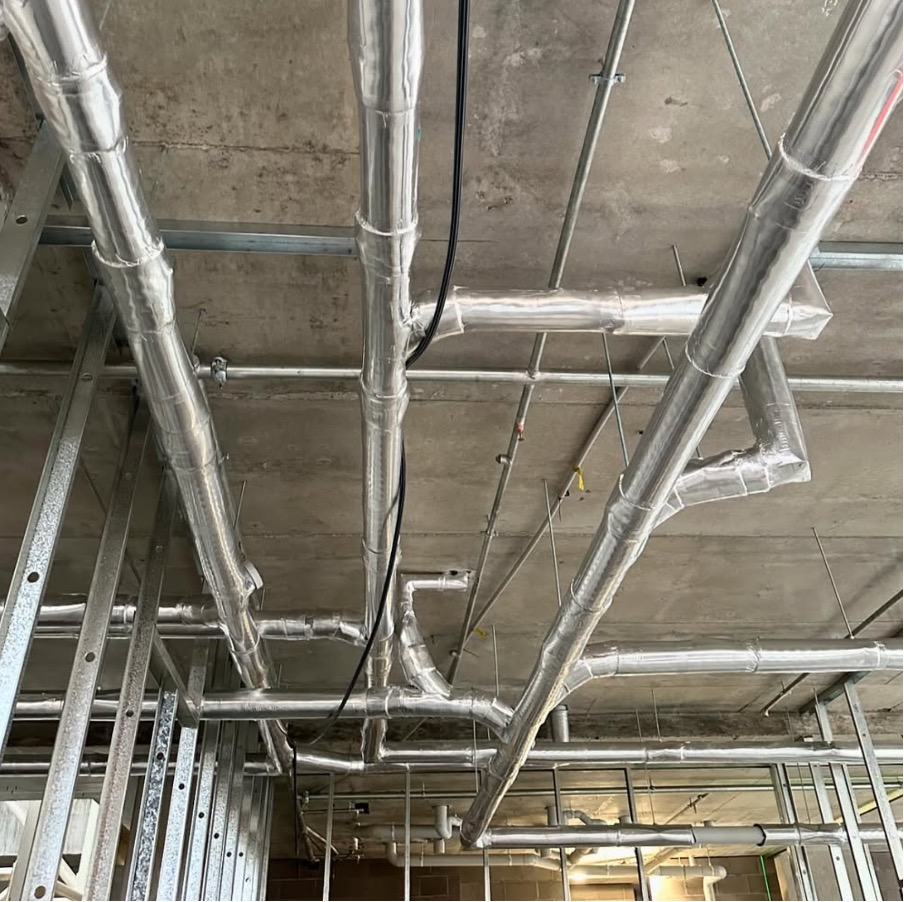
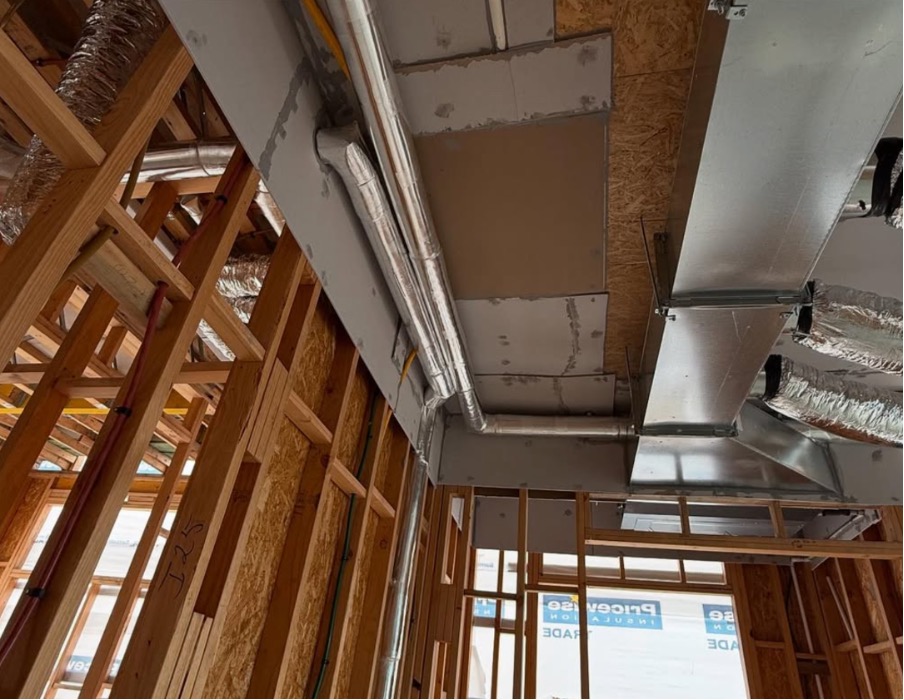
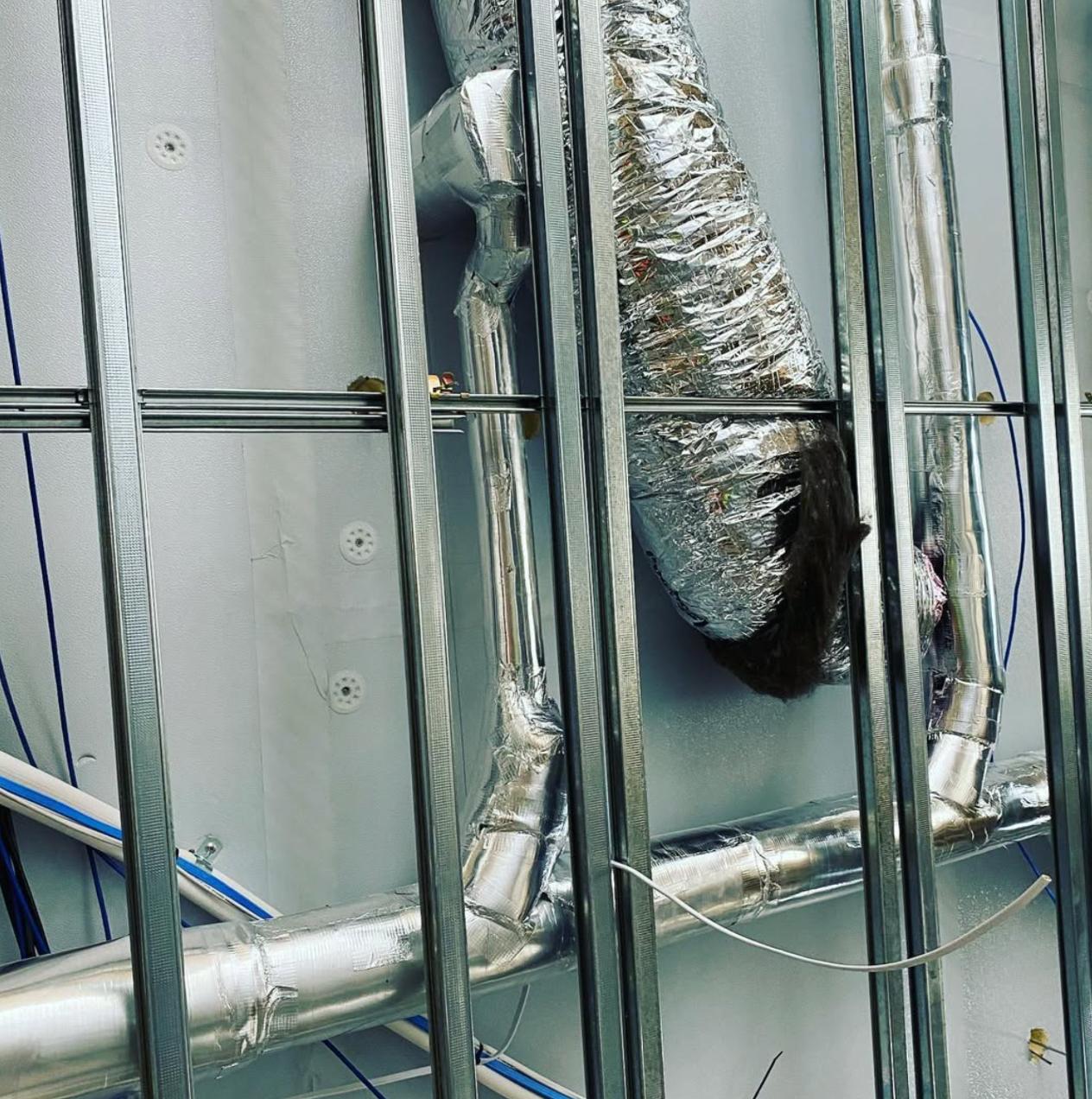
Pipe lagging, commonly referred to as pipe insulation, is a crucial component in many industrial and residential settings. It involves the application of insulating materials around pipes to conserve energy, protect against extreme temperatures, reduce noise, and maintain the integrity of the pipe system.
When utilised for thermal insulation, pipe lagging serves a dual purpose of preventing heat loss from hot water or steam pipes and preventing condensation buildup on cold water pipes. This insulation process plays a key role in enhancing the overall efficiency and safety of various systems. Thermal pipe lagging materials can vary, with options including foam, fibreglass, or rubber insulation, each tailored to specific requirements. The application of thermal pipe lagging not only conserves energy and reduces heat loss but also minimises the risk of pipe corrosion and damage due to moisture. Furthermore, it contributes to the safety of both industrial and residential environments by preventing potential burns from contact with hot pipes and reducing the likelihood of mould growth associated with condensation.
On the other hand, pipe lagging, when utilised for acoustic insulation, serves as a fundamental solution in reducing noise transmission through piping systems. In environments where noise control is imperative, such as residential buildings, commercial spaces, or industrial facilities, the implementation of acoustic pipe lagging is indispensable. This specialised form of pipe insulation employs materials engineered to absorb and dampen sound waves, effectively reducing the transmission of noise generated by fluid flow or equipment within the pipes.
Acoustic pipe lagging typically incorporates materials like mineral wool, mass-loaded vinyl, or composite sound barriers. These materials are designed to encapsulate the pipe, creating a barrier that obstructs the transmission of sound waves. By effectively isolating the noise source, acoustic pipe lagging ensures a quieter and more comfortable living or working environment.
Pipe Lagging Compliance Under NCC 2025
With NCC 2025 now adopted in Victoria, building performance, energy efficiency and condensation management are receiving greater attention across Melbourne construction projects.
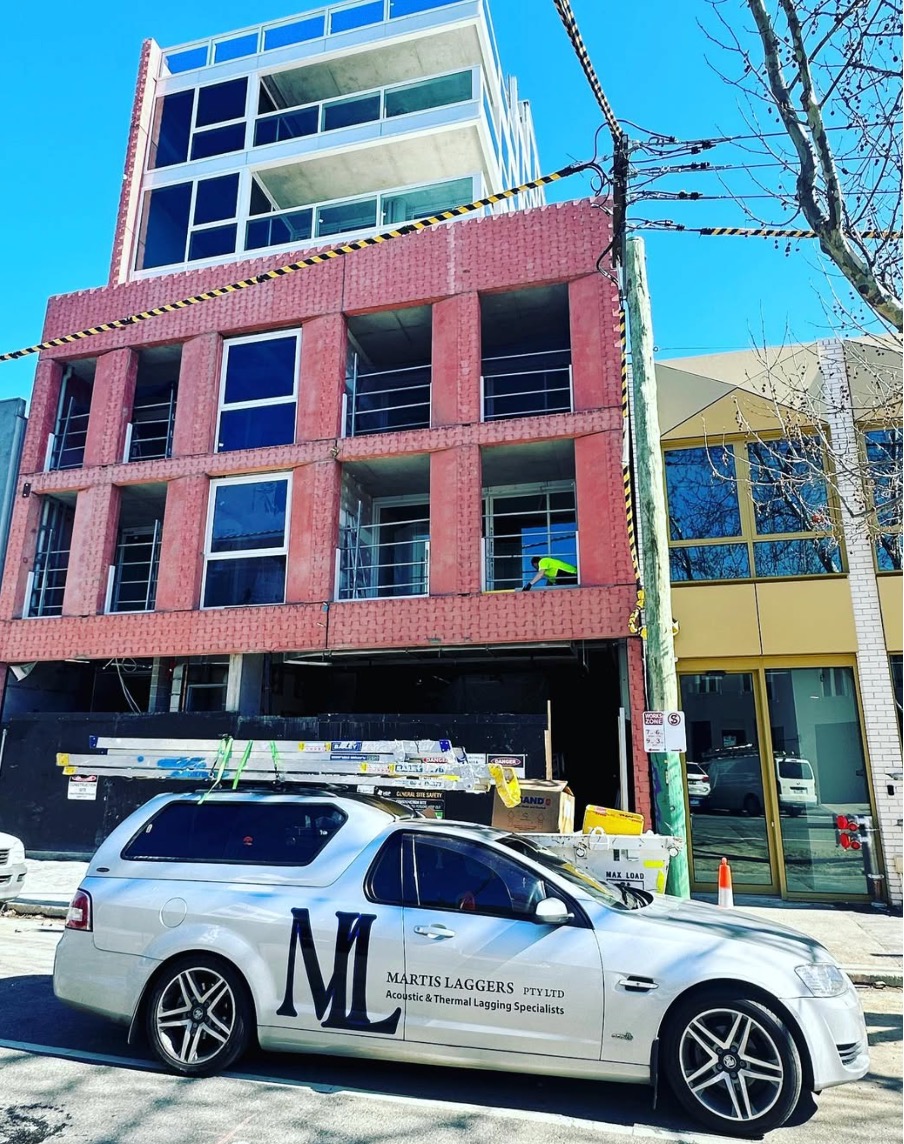
At Martis Laggers, we work with Melbourne builders, developers and contractors to ensure pipe insulation systems are appropriately specified for the project, with consideration given to thermal performance, condensation control, acoustic requirements, material selection and installation conditions.
Our team understands the importance of getting pipe lagging right from the start. For projects being designed or commenced under NCC 2025, our experience in thermal and acoustic pipe lagging helps ensure mechanical insulation is considered as part of the broader building performance strategy.
Energy Efficiency
Lagging pipes can significantly improve energy efficiency by preventing heat loss in hot water pipes and preventing heat from entering the chilled water in cooling systems. This helps homeowners and businesses save on energy costs and reduces their environmental impact.
Temperature Maintenance
By reducing heat loss, thermal pipe lagging helps to maintain the temperature of the fluid within the pipe at the desired level. This is especially important for hot water distribution and heating systems, where heat conservation is critical for efficiency and comfort.
Noise Reduction
Lagging pipes can act as a sound barrier, helping to reduce noise transmission through plumbing systems. This is particularly valuable in residential and commercial settings, where noisy water flow or vibrations can be disruptive and lead to a more peaceful and comfortable environment.
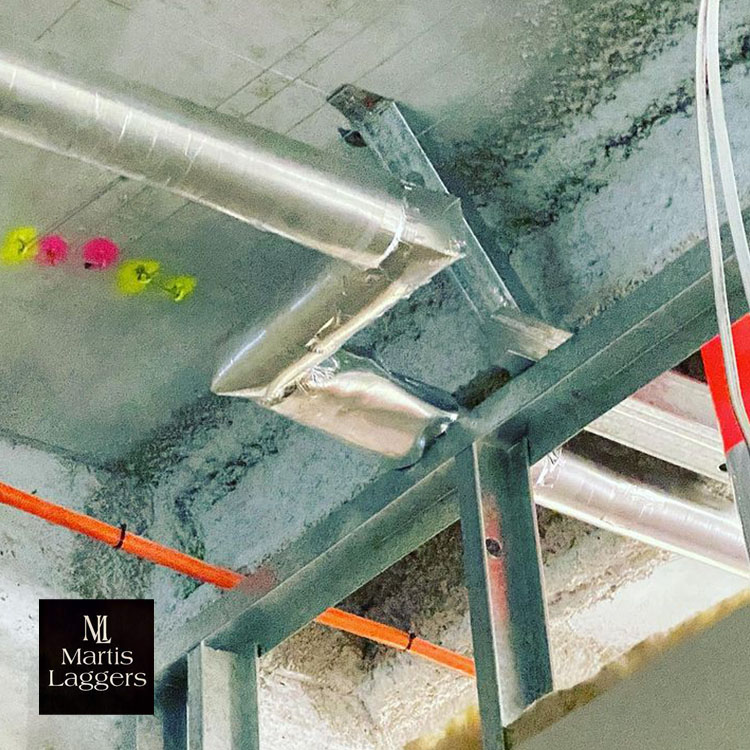
Is pipe lagging worth it?
The worthiness of pipe lagging depends on various factors, including your specific needs and circumstances. Pipe lagging can offer many benefits. Firstly, it reduces heat loss, thereby minimising energy wastage, which is not only environmentally responsible but also cost-effective. Additionally, by insulating your hot water pipes, it ensures that the water reaches its intended destination while still maintaining its desired temperature. Moreover, during colder weather, pipe lagging prevents the water within your pipes from expanding and potentially causing costly damage. While acoustic pipe lagging can be valuable to minimise the transmission of noise through the plumbing system, providing a more comfortable and peaceful environment for occupants.
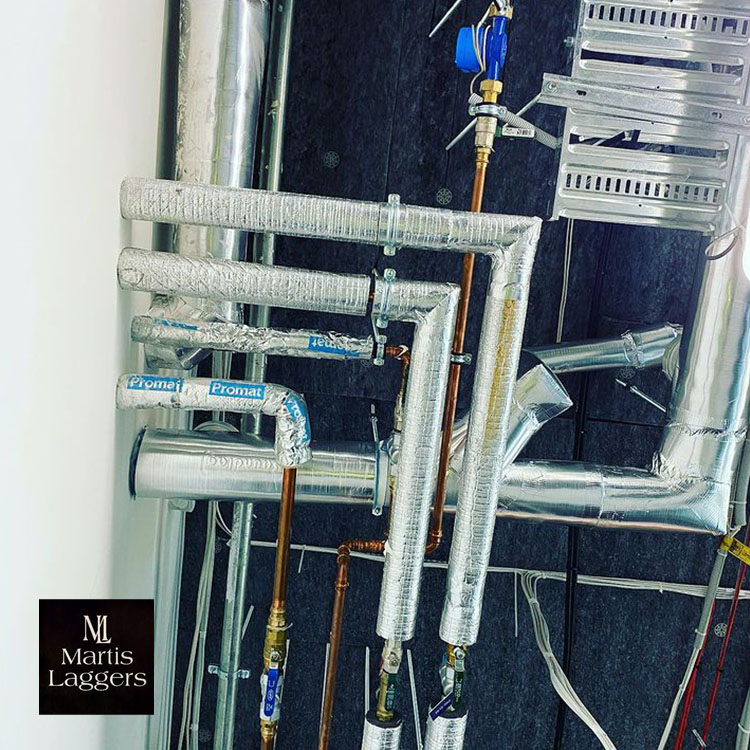



FAQs
What is the best pipe lagging?
The choice of the best pipe lagging material depends on various factors, including the specific application, budget, and insulation requirements. Here are some commonly used pipe lagging materials, each with its own advantages:
Fibreglass Pipe Insulation: Fibreglass insulation is a popular choice for pipe lagging due to its excellent thermal performance and resistance to moisture. It comes in pre-formed sections or rolls, making it relatively easy to install. Fibreglass insulation is often used for both hot and cold pipes.
Foam Pipe Insulation: Foam insulation, typically made of polyethylene or rubber, is easy to install and provides good thermal insulation. It is commonly used for residential applications and is available in various thicknesses to suit different pipe sizes and insulation needs.
Mineral Wool Pipe Insulation: Mineral wool insulation is fire-resistant and offers excellent thermal and acoustic insulation properties. It is suitable for both hot and cold pipes and is often used in commercial and industrial settings.
Closed-Cell Foam Insulation: Closed-cell foam insulation provides excellent thermal performance and moisture resistance. It is well-suited for outdoor applications and is known for its durability and resistance to water vapour transmission.
Mass-Loaded Vinyl (MLV) Acoustic Insulation: MLV is primarily used for acoustic pipe lagging to reduce noise transmission through pipes. It is dense and flexible, making it effective in dampening sound.
Reflective Foil Insulation: Reflective foil insulation includes a layer of reflective material, such as aluminium, that helps to reflect radiant heat. It is often used in combination with other insulation materials for added thermal protection.
The best pipe lagging material for your specific application will depend on factors such as the temperature range, moisture levels, space constraints, and budget considerations. It's essential to choose insulation that meets your needs while adhering to local building codes and regulations. Additionally, proper installation is crucial to maximise the effectiveness of the chosen pipe lagging material. Consulting with one of our professional insulation specialists can help you determine the most suitable option for your project.
How thick should pipe lagging be?
The thickness of pipe lagging is a critical consideration when insulating pipes, and it should be determined based on several key factors. Firstly, the temperature of the pipe and its contents plays a pivotal role. Hot water pipes typically require thicker insulation to minimise heat loss, while cold water pipes may necessitate thinner insulation to prevent condensation.
The type of insulation material also influences the required thickness. Different materials possess varying thermal conductivity properties, with those featuring lower conductivity, such as fibreglass or foam, often necessitating less thickness to achieve the desired insulation level compared to materials with higher thermal conductivity.
The climate and location of the building are important considerations. In colder climates, thicker insulation is generally needed to prevent heat loss and freezing, while in humid environments, insulation should be sufficient to prevent condensation on cold pipes.
Furthermore, energy efficiency goals can guide thickness choices. Thicker insulation is typically preferred in situations where maximising energy efficiency and minimising heat loss are priorities. Compliance with local building codes and standards is essential, as they may specify minimum insulation thickness requirements for various types of pipes.
The diameter of the pipes should also be taken into account, as larger pipes may require thicker insulation to maintain consistent thermal performance across their surface area. Additionally, available space constraints can impact the choice of insulation thickness, particularly in confined areas.
Do both copper pipes and plastic pipes need lagging?
Yes absolutely. Both copper pipes and plastic pipes benefit from lagging. By lagging plastic and copper pipes the majority of heat loss or gain can be effectively managed, leading to energy preservation, improved building energy efficiency, and a diminished carbon footprint.
Does lagging pipes save money?
Lagging pipes can indeed result in cost savings over time. By insulating pipes, several potential financial benefits can be realised. Firstly, it helps in conserving energy as insulated pipes are more efficient at retaining heat. This means that hot water remains hot as it travels through the pipes, reducing the need to reheat it continuously. This energy efficiency translates into lower utility bills, contributing to long-term savings.
Furthermore, insulated pipes are less susceptible to damage and corrosion, leading to reduced maintenance costs over time. Extending the lifespan of your plumbing system means fewer repairs and replacements, saving you money in the process.
While there is an initial investment associated with purchasing and installing pipe insulation, the long-term financial benefits in terms of energy efficiency, maintenance savings, and damage prevention make it a financially prudent choice for many homeowners and businesses.